 UAE Trusted

On-Page SEO
ON-PAGE SEO SERVICES • DUBAI, UAE
Most Dubai Websites Don't Have a Traffic
Problem. They Have a Page Problem.
Pages that rank low, confuse the visitor, or answer the wrong question entirely. Prolific’s On-Page SEO service finds exactly which pages are holding you back, and fixes only what needs fixing — instead of rewriting a site that’s already doing most things right.
We look at how a page is written, structured, and linked, then compare that against what the person searching for it is actually trying to do. Where a page already does its job, we leave it alone. Where it doesn’t, we refine it — page by page, not just keyword by keyword.
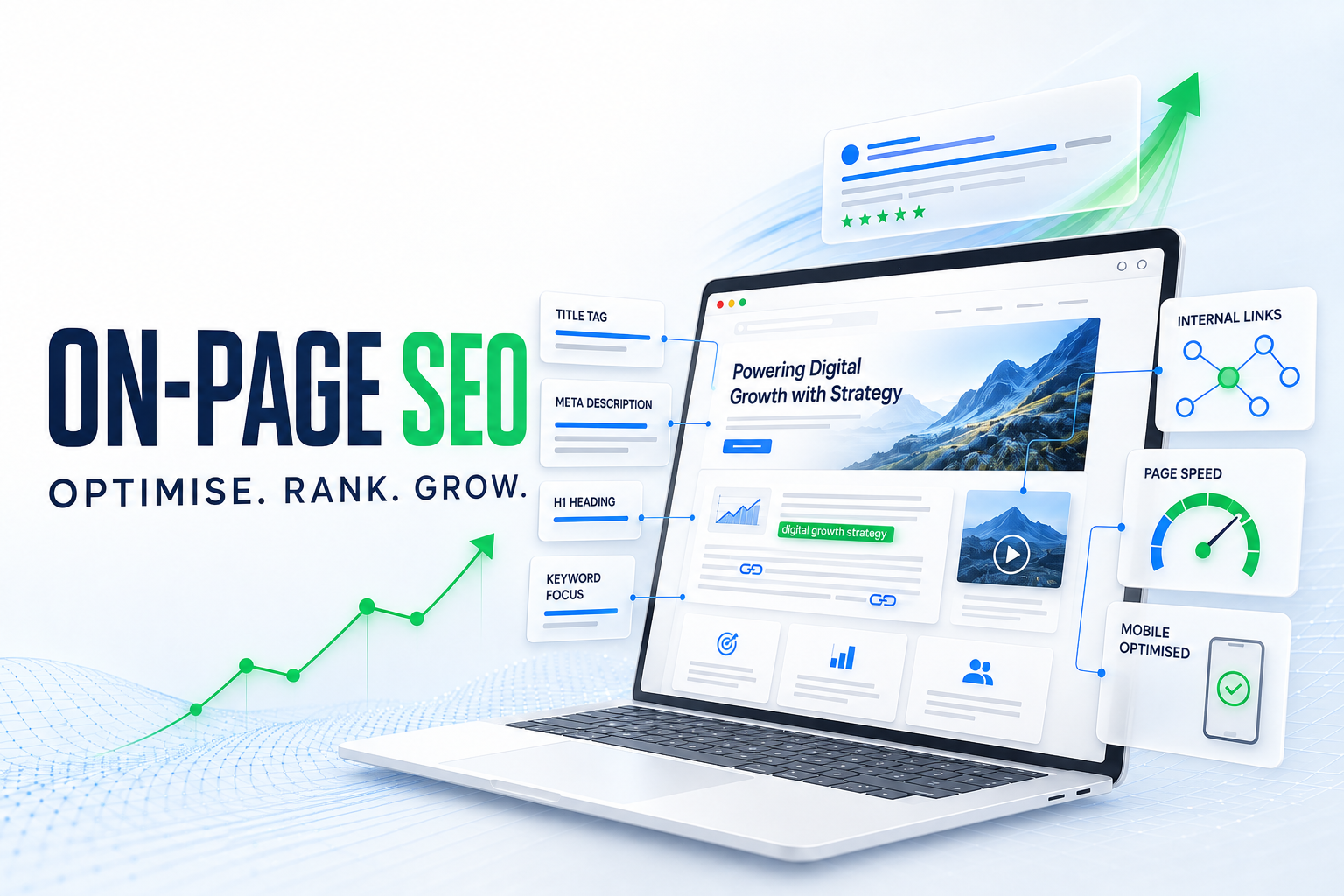
Why On-Page SEO Matters More Than You Think
Getting more people to your site isn’t only about backlinks or publishing new content. Often, the better opportunity is already live — in a page that’s one or two fixes away from working properly.
Signs a Page Needs On-Page Work, Not a Rebuild
- It’s written for the wrong search — close to the topic, but not what the visitor typed.
- It uses a keyword but never actually answers the question behind it.
- The information a visitor needs is buried under a vague heading.
- Two pages compete for the same search term instead of splitting the work.
- It gets visits but gives the visitor nothing to do next.
Key On-Page Factors We Review
Search Intent Mapping
Titles & Meta Descriptions
Headings & Structure
Content Quality
Internal Linking
URLs
Images & Alt Text
Structured Data
UX & CTA Placement
What We Actually Do to a Page
We don’t run through a fixed list of “SEO elements” on every page. We look at what a specific page needs, and work on that.
Search Intent Mapping
Before touching a word, we work out what a searcher wants from that query — information, a comparison, an explanation, or a reason to enquire — then check the page is actually built to give them that, and that no other page is quietly competing for the same search.
- Primary and secondary keyword research
- Search intent classification per page
- Keyword-to-page mapping to prevent overlap
- A check against what competitors are already ranking for
Titles & Meta Descriptions
The title is often the only thing a person sees before deciding to click. We rewrite it to say plainly what the page is and why it’s worth opening — not a keyword crammed into a formula.
- Title tags rewritten for clarity and click-through
- Meta descriptions that state a real reason to click
- Duplicate or missing metadata flagged across the site
Headings & Content Structure
We reorganise a page so someone can understand what it’s about within a few seconds — before they’ve read a single paragraph. Good structure also helps search engines follow the same logic.
- H1–H3 hierarchy rebuilt around real reader questions
- Content ordered by what matters most to a searcher first
- Long, unbroken sections split into scannable pieces
Content
If the content on a page is already useful, we sharpen it — cutting repetition, filling real gaps, tightening weak explanations. We don’t replace working content just to have something new to show.
- Content gap review against what searchers actually ask
- Repetition and filler removed
- Weak or vague explanations rewritten with specifics
Internal Linking
This isn’t about scattering links for SEO’s sake. We look at the journey a visitor is on — moving from something informational toward the service page that’s actually relevant to them — and build links that follow that path.
- Links mapped to the visitor’s likely next question, not just keyword anchors
- Related pages connected instead of competing
- Priority service pages given clearer internal support
URLs
We simplify URLs that are unnecessarily long or unclear — but only where the change won’t disrupt search visibility you’ve already earned.
- URL structure reviewed for unnecessary length or duplication
- Changes weighed against existing rankings before recommending them
Images
File size, naming, and alt text — cleaned up so images help the page load faster and make more sense to both people and search engines.
- Descriptive file names and alt text
- File size reviewed for page-speed impact
- Accessibility improvements alongside SEO gains
Structured Data
Where it’s genuinely useful, we add schema so search engines have accurate, unambiguous information about a page. This doesn’t guarantee better rankings on its own — it removes guesswork about what the page is and does.
- Service, FAQ, Organisation, and Breadcrumb schema where relevant
- Applied only where it adds real value, not by default
User Experience & Call-to-Action Placement
A page can say the right thing and still lose the visitor if the layout gets in the way. We check whether the content, page speed, and calls-to-action actually support someone taking the next step — not just whether the words are optimised.
- Review of where CTAs sit relative to the information a visitor needs first
- Page experience factors that affect engagement and time on page
- Friction points flagged that push visitors away before they convert
How We Work Through a Website
01
Understand the Site First
We look at your services, audience and current pages before deciding that anything needs to change.
02
Decide Which Pages Matter
Not every page deserves the same attention. We prioritise pages with real commercial weight or a clear opportunity.
03
Check Intent Before Keywords
We confirm what people actually want from a search before assigning that search to a page.
04
Fix What Needs Fixing
We improve content, headings, metadata, links, URLs and images—but only where the page needs them. We look at your services, audience and current pages before deciding that anything needs to change.
05
Watch What Happens Next
We review real search and website data after the changes go live and refine the page from there..
Why This Isn’t Just a Checklist
Prolific’s on-page SEO work sits inside a bigger picture — how a Dubai business actually turns visibility into leads. A page can rank and still fail to bring in enquiries, so alongside SEO we also work on digital marketing, lead generation, and website development — and that shapes how we think about a page in the first place.
That means we ask more than, “Does this page contain the keyword?”
- Is this page reaching the right audience?
- Does it match what they were actually searching for?
- Can they find the important information quickly?
- Does it explain the service clearly in your words, not a template’s?
- Do related pages support each other or compete?
- Is it obvious what the visitor should do next?
It also means knowing when to leave a page alone. If a page is already working, optimising it further can do more harm than good—so part of our job is telling you what doesn’t need touching.
Built Around Your Business, Not a Template
A Dubai service business, a UAE-wide SME, and a specialised B2B company each search differently — and need different page priorities. Rather than run every client through the same checklist, we build the plan around your audience and how they actually search: a real estate buyer weighing property pages searches very differently from a B2B buyer comparing trading partners.
What You Can Expect
Easier to Navigate
Important pages are structured around what people are actually looking for.
Says More With Less
Tighter content, clearer and more useful—not simply longer.
Pages That Support Each Other
Related pages work together instead of competing for the same search.
Consistent On-Page Signals
Titles, headings, URLs and images work together instead of being optimised separately.
Easier to Build On Next
A stronger foundation for future content, links and landing pages
Getting Traffic but Not Enough Enquiries?
Sometimes the problem isn’t how many people reach your site—it’s what happens once they land. If a page is unclear, generic or aimed at the wrong search, more traffic simply means more people leaving without acting.
Our on-page SEO assessment shows you exactly which pages are underperforming and why, before we change anything.
See what’s holding your pages back.
Frequently Asked Questions
What is on-page SEO?
The work done directly on a page — content, headings, metadata, internal links, URLs, images, and structured data — so the page clearly communicates what it's for, to both search engines and the person reading it.
Is on-page SEO enough to rank on Google on its own?
It's necessary, but it isn't the whole picture. Technical SEO (crawling, indexing, site speed) and off-page factors like backlinks also affect rankings. On-page work gives you the strongest possible page — the rest depends on the site around it, which is why we flag when a page's ranking issue is actually technical or off-page, not on-page.
Why does on-page SEO matter for a business website?
A search engine needs to work out what a page is about and whether it fits a given search. A visitor needs to work out, within seconds, whether the page answers their question. On-page SEO is what makes both of those easy.
Do you optimise existing content, or start from scratch?
We optimise existing content whenever it has a solid foundation — improving what's working and fixing what's missing — rather than rewriting pages that don't need it.
Is keyword research included?
Yes. Keyword and search-intent research tells us which searches matter to your business and which page should own each one — the goal is relevance, not keyword count.
Is on-page SEO the same as technical SEO?
No. On-page SEO is about content and page-level elements. Technical SEO is about site infrastructure — crawling, indexing, rendering, and speed. Both can matter, depending on your site.
Can on-page SEO improve rankings without creating new content?
Often, yes. Many sites already have pages capable of ranking and converting better than they currently do — what's missing is sharper structure, clearer intent-matching, and stronger internal support, not more pages. New content has its place, but it isn't always the first move.
How long does on-page SEO take to show results?
It depends on your site's current authority, competition, search demand, and how much needs to change. We'd rather identify the real opportunities than promise a fixed timeframe.
Before You Publish More Pages
It’s worth checking whether the pages you already have are doing their job. That’s usually the faster fix—and the one most businesses overlook.